For someone with a background in literature, film, or another type of media, it can be difficult to know how to get involved in the broader field of adaptation studies. People who love adaptation can be scholars of particular media types (like film, literature, video games, or comic books) or may study historical periods (like medieval or nineteenth-century culture).
You might enjoy using adaptation in your classroom, consuming adaptations as an individual, or writing about adaptations that challenge, frustrate, or excite you.
But how can you learn more about adaptation as a discipline? Below, we’ll share some foundational resources to get you started, as well as some next steps.
Where does Adaptation Studies come from?
The odds are good that there is no “Adaptation Studies” department or program at your university or college. Yet more and more scholars have begun to position their work as being inextricably engaged with questions of adaptation: how does it work as a process? How and why do the products of adaptation excite or challenge or intrigue us?
The earliest scholars of adaptation studies were housed in literature and film departments, and started out discussing the age old question “is the book better than the movie?” in various forms. You can still find many adaptation scholars in these programs and departments today, though their questions have evolved!
Today, you are likely to see adaptation scholars in many fields. They tend to be very interdisciplinary and are usually very welcoming of newcomers who have an interest in using adaptation in their research and pedagogy.
Theories of Adaptation
Where to start your reading

Linda Hutcheon, A Theory of Adaptation (2007, 2013)
In its second edition, Linda Hutcheon’s A Theory of Adaptation is still an oft-cited resource for thinking about adaptation as a serious field of study.
Thomas Leitch, Film Adaptation and Its Discontents (2009)
Adaptation Studies wouldn’t be where it is today without its partnership with film departments. Leitch’s book is an excellent introduction to adaptation in/and the film industry.


The Oxford Handbook of Adaptation Studies (2017)
Handbooks and readers have been particularly instrumental to the dissemination of theories of adaptation. The Oxford Handbook includes some of the most prominent names in Adaptation Studies and covers the foundations of adaptation all the way to emerging theories.
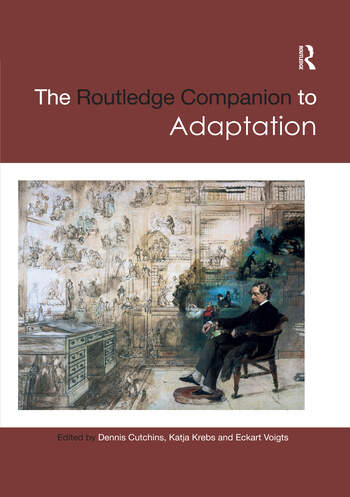
The Routledge Companion to Adaptation (2017)
Equally expansive in comparison to the Oxford handbook, the Routledge companion breaks down adaptation studies as a field. Both the Oxford and Routledge companions are pricey, but are usually available through most academic libraries.
Fidelity Models
The early days of Adaptation Studies involved a lot of discussion about fidelity, or whether an adaptation is/can be faithful to the material it attempts to adapt.
Today, most adaptation scholars have moved away from a fidelity model, agreeing that discussions around fidelity tend to be circular and repetitive.
To read more about fidelity and adaptation, check out these texts as starting points:
- Stam, Robert. “Beyond Fidelity: The Dialogics of Adaptation.” Film Adaptation. Ed. James Naremore, Rutgers, 2000.
- Bortolotti, Gary R., and Linda Hutcheon. “On the Origin of Adaptations: Rethinking Fidelity Discourse and ‘Success’: Biologically.” New Literary History, vol. 38, no. 3, 2007, pp. 443–58, https://doi.org/10.1353/nlh.2007.0038.
- Johnson, David T. “Adaptation and Fidelity.” The Oxford Handbook of Adaptation Studies. Ed. Thomas M. Leitch, Oxford University Press, 2017.
Important to note is that fidelity has different valences in different cultures and historical periods, as noted by Kamilla Elliott in Theorizing Adaptation (2020) and Li Yi in “Rethinking Fidelity, Adaptation, and Propaganda: Garden of Repose on Screen” (2022).
What counts as adaptation?
When you start learning about adaptation theory, everything begins to look like an adaptation! This is a common topic of discussion amongst adaptation theorists. To scratch the very surface of this topic, check out these readings:
- Henry Jenkins, Adaptation, Extension, Transmedia on LFQ
- Thomas Leitch, “Adaptation and Intertextuality, or What Isn’t an Adaptation and What Does it Matter?” in A Companion to Literature, Film, and Adaptation. Ed. Deborah Cartmell, Blackwell Publishing, 2012.
Adaptation as criticism and criticism as adaptation
Both criticism and adaptation are highly influential ways of interpreting texts. Many adaptation studies scholars have spoken on this topic. Here are a few good places to get started:
- Josh Sabey and Keith Lawrence, “The Critic as Adapter” in The Routledge Companion to Adaptation. Ed. Dennis Cutchins, Katja Krebs, and Eckart Voigts, 2018.
- Kamilla Elliott, “Doing Adaptation: The Adaptation as Critic” in Teaching Adaptations, 2014.
A (very brief) list of important authors
- Linda Hutcheon: some of the earliest and most influential texts on adaptation
- Thomas Leitch: foundational texts on adaptation theory
- Julie Grossman: adaptation, gender, and film noir
- R. Barton Palmer: film, adaptation, and seriality
- William Mooney: adaptation and film
- Kate Newell: adaptation networks and hinge points
- Kamilla Elliott: theorizing about adaptation, the history of adaptation
- Glenn Jellenik: Romanticism and theories of adaptation
Did we miss someone? There are so many important scholars in the field of adaptation. We tried to choose a short list of some of the most prolific authors, but there are many more out there. Let us know who we should add!
Newer Publications
Kyle Meikle, Adaptations in the Franchise Era: 2001-2016 (2019)
Meikle joins a growing wave of scholars who are interested in the materialistic dimensions of adaptations. This book examines the tentpole franchise era of adaptation, and the way that audiences play a participatory role in these massive projects.

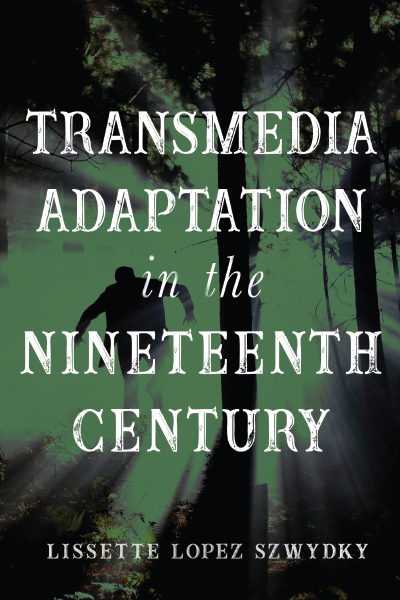
Lissette Lopez Szwydky, Transmedia Adaptation in the Nineteenth Century (2020)
While adaptation studies tends to focus on the way older texts are adapted into newer mediums, Lopez Szwydky’s book shows the way that adaptation is actually something we’ve been doing for centuries, and can actually shape whether or not a story joins the “canon” or falls into obscurity.
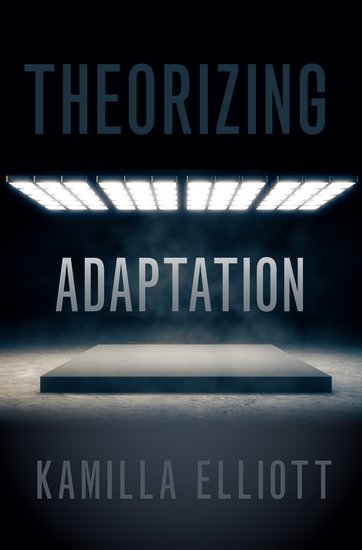
Kamilla Elliott, Theorizing Adaptation (2020)
The first book to engage with the “problems” of theorizing within this field, Elliott’s book offers a cross-disciplinary engagement with the idea of adaptation and how it developed from a celebrated practice to one that is sometimes looked at with trepidation by scholars today. The second half of the book offers suggestions for how theorizing might be done in adaptation studies in a way that scholars will likely be engaging for decades to come.
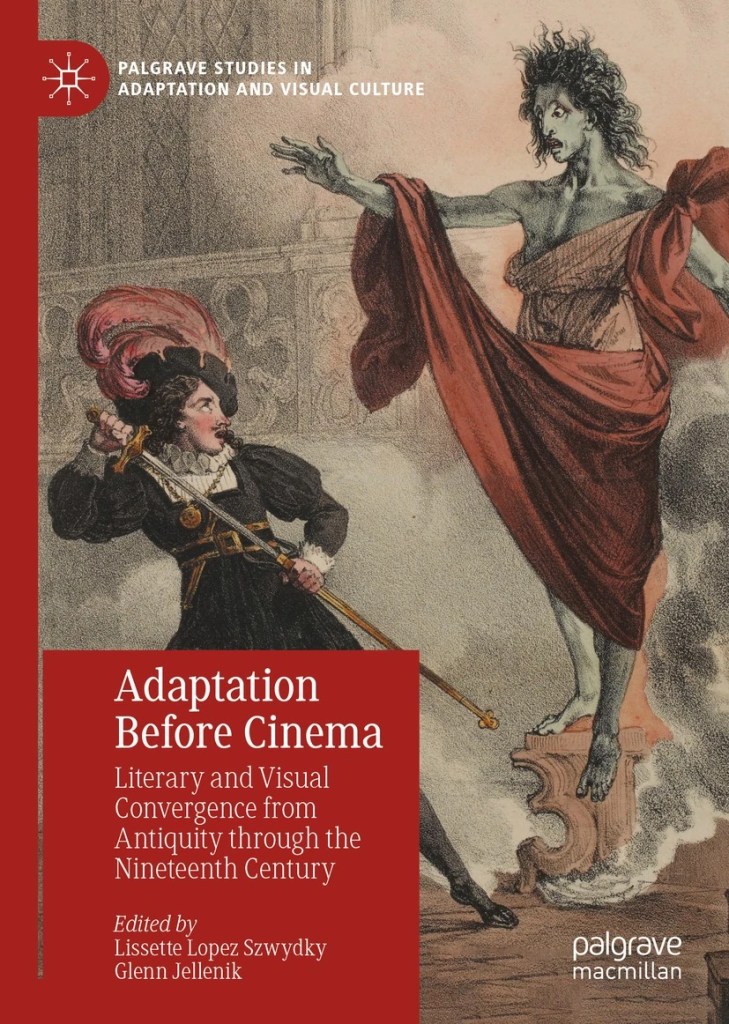
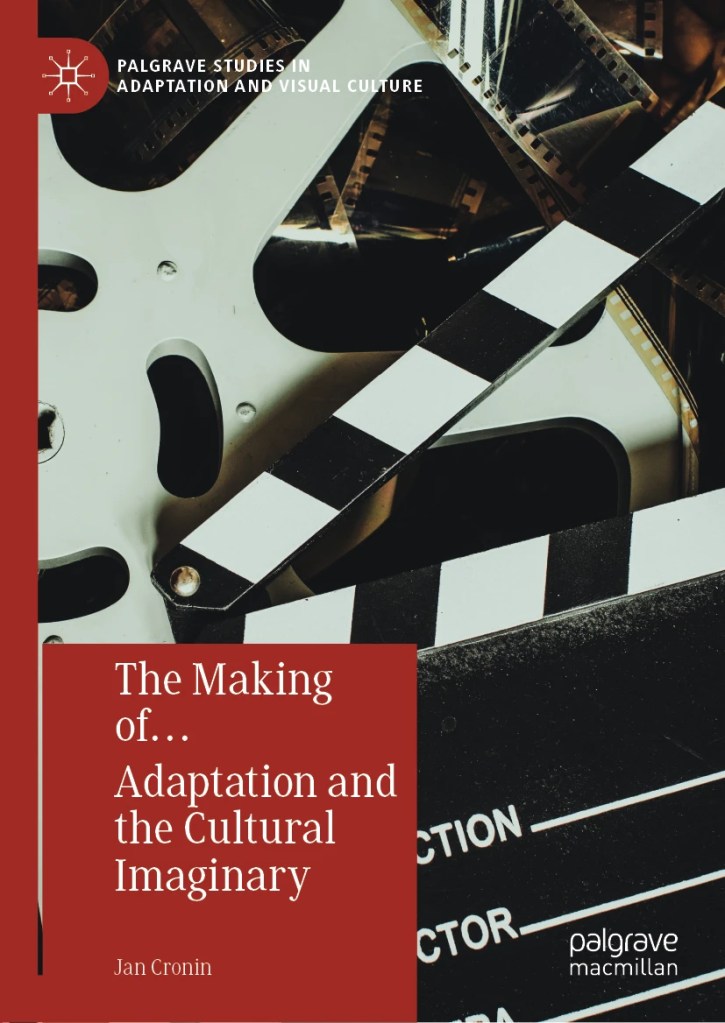
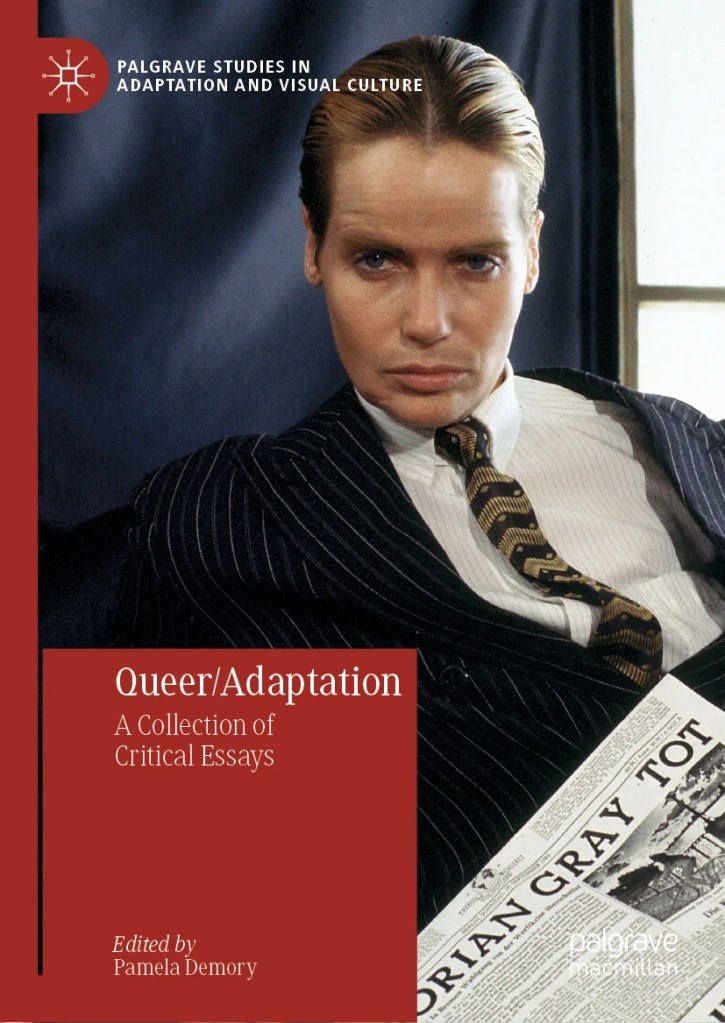
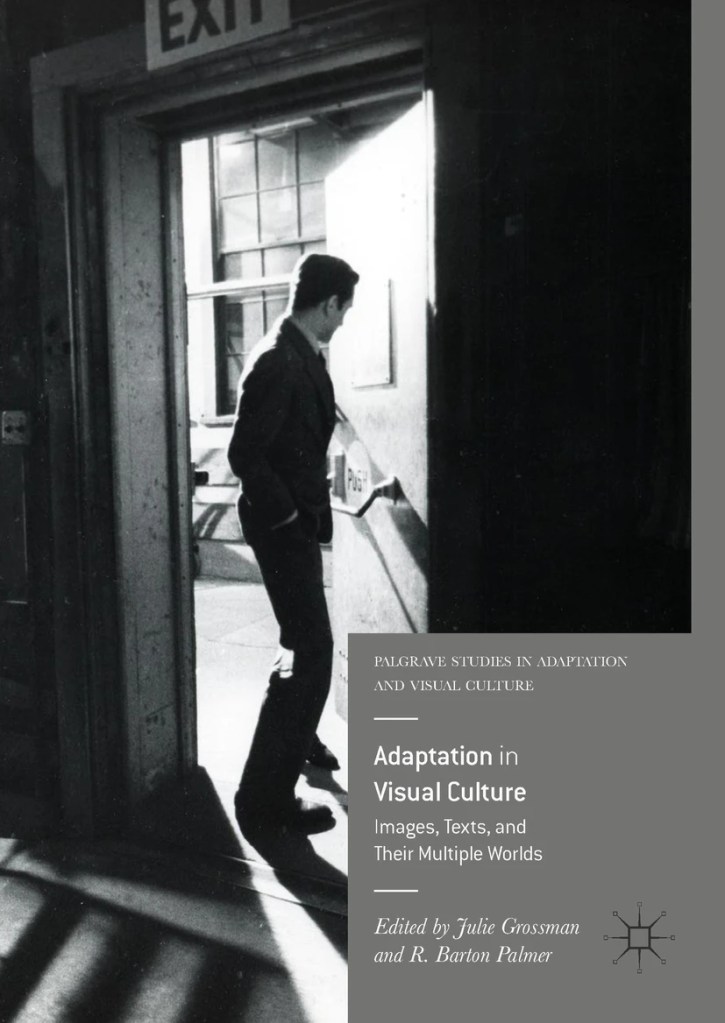
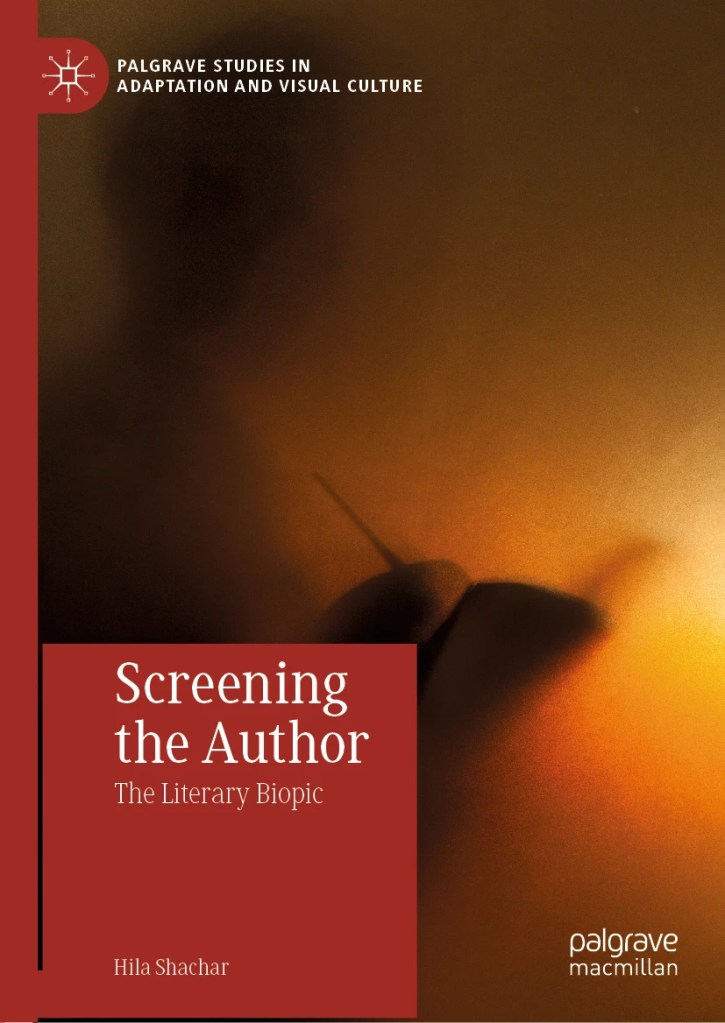
Palgrave Studies in Adaptation and Visual Culture (Ed. Julie Grossman and R. Barton Palmer)
The Palgrave Studies in Adaptation and Visual Culture series is a series of books about adaptation. Some books are edited essay collections, while others are single-author monographs. Some are devoted to very specific narratives, authors, or media types, while others are more broadly focused on a theme or theory in Adaptation Studies.

Submit Your Publication
Do you have a new publication on adaptation that would be helpful to people starting out in the field? Let us know!
Want more?
Adaptation Today isn’t the only (or even the first) to put together a list of readings. Check out this incredible reading list, compiled by Douglas Lanier and updated by Kamilla Elliott.
 Adaptation Today