What is Adaptation Today?
But first: what is Adaptation Studies?
Adaptation Studies is a thriving field of study that approaches film, literature, and many other media (from comic books or video games to theme park attractions or ephemera) as an adaptive process.
Okay, now, what is Adaptation Today?
Adaptation Today is a free, accessible resource for all academics and students who are interested in adaptation. It grew out of a conversation at SAMLA in 2023 about the importance of making sure that scholars (especially graduate students, contingent scholars, and early career researchers) who are interested in adaptation have a way to stay in touch, share ideas, and collaborate.
Who studies adaptation?
The field of Adaptation Studies is made up of scholars from all sorts of backgrounds. Some of us exclusively study certain media types (like film, literature, or video games). Other scholars specialize in certain historical periods and study a wide variety of media (such as adaptation in the medieval period). All of us feel that adaptation is an exciting way to think about the way stories are told (and retold) throughout time.
Founding Editors
Website and Listserv
Kristen Figgins (she/they)
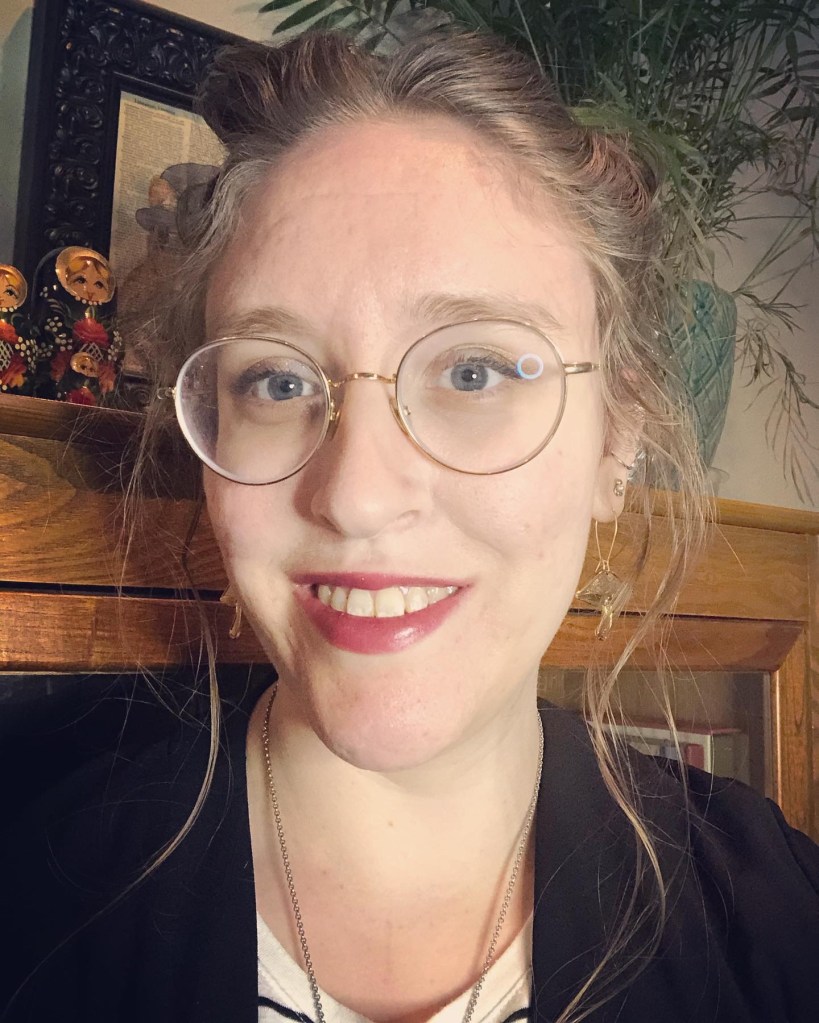
Kristen Figgins is an assistant professor of English and Teacher Education at Mississippi University for Women. Her research focuses on how evolutionary science is adapted into transhistorical textual and visual media. Her most recent work appears in Adaptation (Summer 2023). She received her Ph.D. in 2021 and is the coeditor of Boom or Bust: Narrative, Life, and Culture in the West Texas Oil Patch (University of Oklahoma Press, 2021).
Podcast
Gracie Bain (she/her)
Gracie Bain is an assistant teaching professor in the office of First Year Composition at the University of Oklahoma. Her research explores the intersections of neo-Victorian literature, violence, and gender. She has previously published in Literature/Film Quarterly (2022) and the South Atlantic Review. She is currently working on her podcast dissertation about fictional adaptations of Jack the Ripper and the Whitechapel Murders and gender.
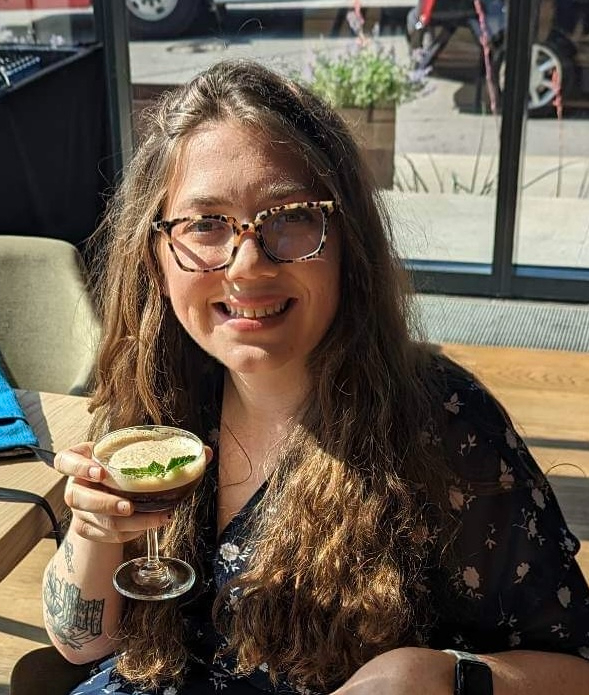
Rebecca Raddatz (she/her)
Rebecca Raddatz graduated with an MA in English Literature from the University of Dundee in 2023. She is now pursuing a Research Master in Arts, Media, and Literary Studies at the University of Groningen, graduating in 2025. Her research interests include the intersection between comics and other media, as well as processes of mythologisation in popular culture and adaptations.

Pedagogical Resources
James Fleury (he/him)
James Fleury is a senior lecturer of Film and Media Studies at Washington University in St. Louis. He is co-editor of The Franchise Era: Managing Media in the Digital Economy (Edinburgh UP, 2019). He has been published in Mediascape, the South Atlantic Review, The American Journal of Economics and Sociology, and several edited collections. He is writing a monograph about the history of Hollywood studios in the video game industry.
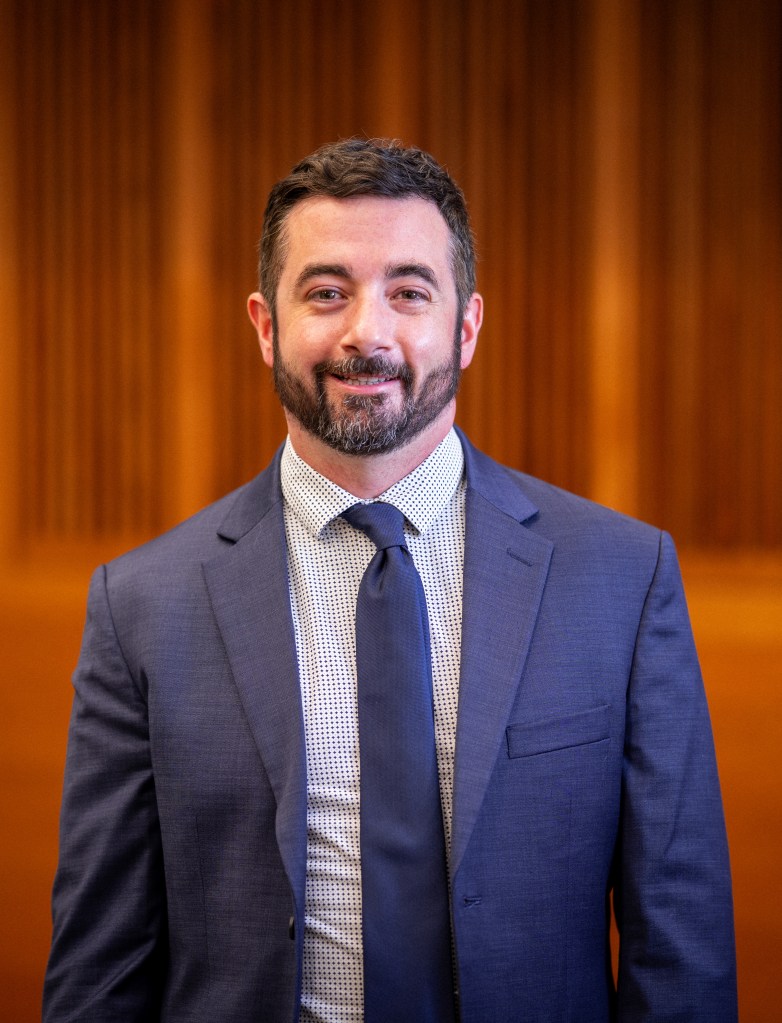
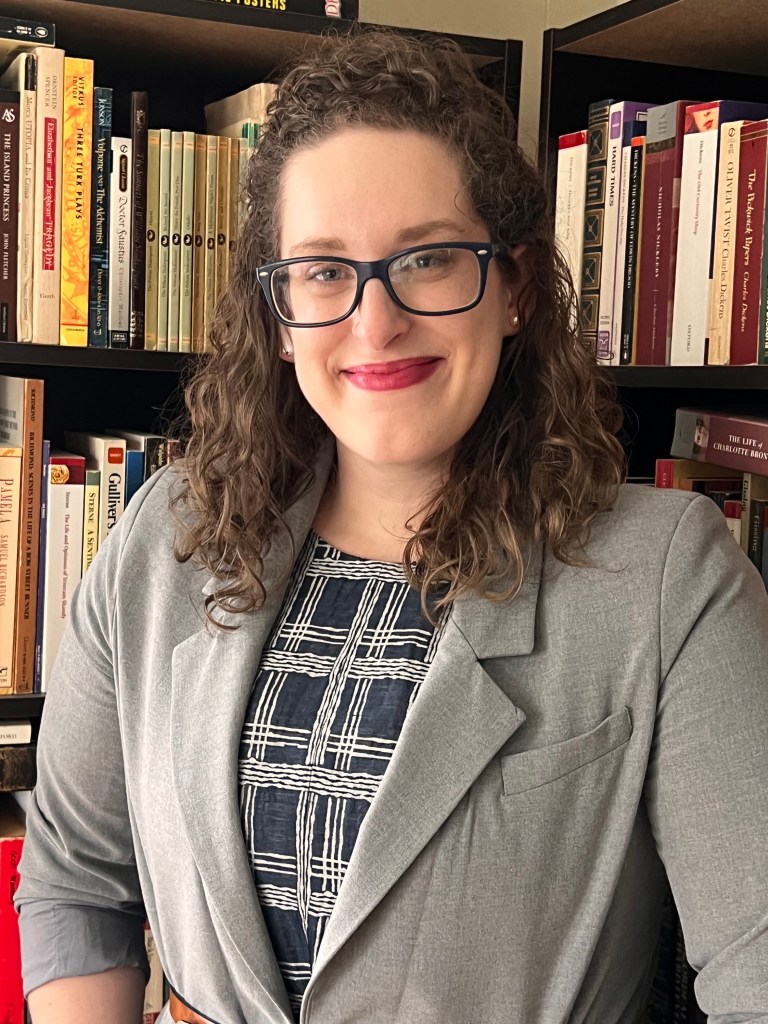
Kathryn McClain (she/her)
Kathryn J. McClain, PhD, is an assistant professor of English, American Literature at Colorado Mesa University. She has previously been published in Adaptation and South Atlantic Review, and she has two forthcoming book projects: a monograph on dissident adaptations in contemporary American literature (Palgrave) and a co-edited anthology project on adaptation and multiethnic American literatures (SUNY Press).
Mentoring Program
Julie Grossman (she/her)
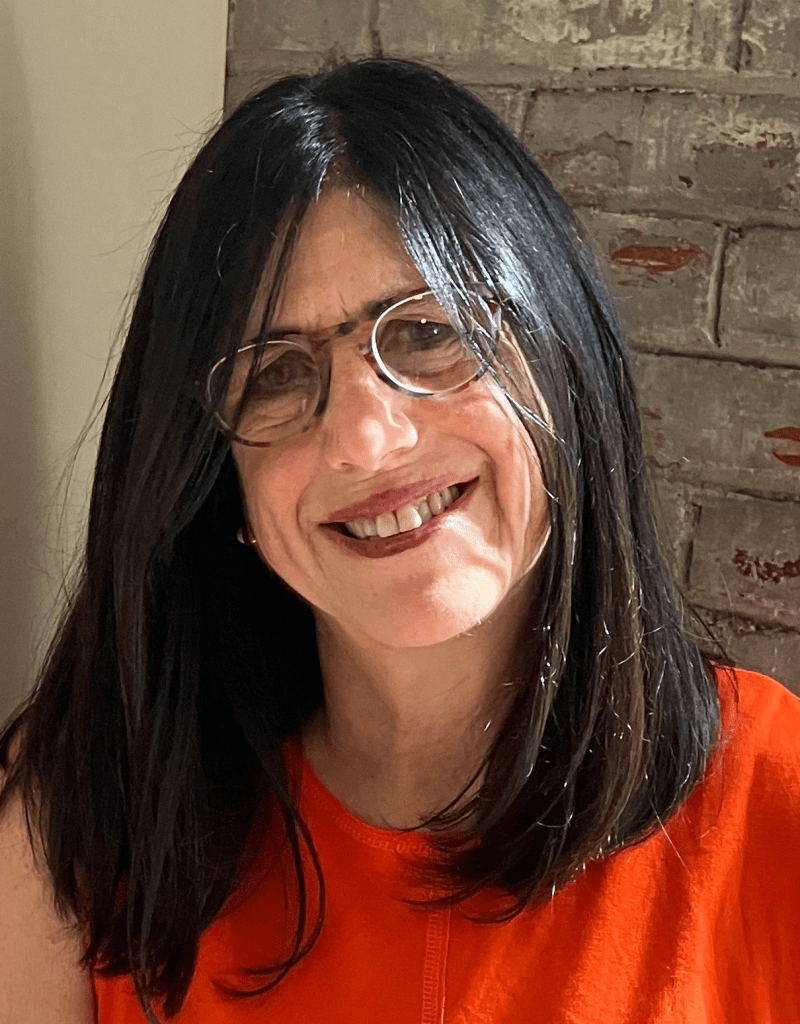
Julie Grossman is professor of English and Communication and Film Studies at Le Moyne College. She has written numerous articles and book chapters on film noir, adaptation studies, and gender and film, literature, and television, including The Femme Fatale (2020). She is the founding co-editor (with R. Barton Palmer) of the Palgrave book series Adaptation and Visual Culture, for which she has co-edited three essay collections.
Seda Öz (she/her)

Seda Öz is a postdoctoral researcher at the University of Delaware’s English Department. Her research is on transnational adaptations and remakes; especially the impact of socio-political and economic conditions on border-crossing acts between texts, cultures, and media industries. She is the secretary of Literature/Film Association and editing Adaptation Practices in Turkish Literature, Cinema, and Media (Palgrave).
Social Media
Cat Champney (she/her)
Cat Champney is an English PhD candidate at the University of Delaware. Her dissertation project explores “Bluebeard” adaptation(s) and the Female Gothic. More broadly, she is interested in the intersections of adaptation, gender, and the Gothic.

Get involved
Do you want to be involved with growing Adaptation Today? Here are some of the things we could do with your help:
- Build pedagogical resources, like syllabi and lesson plans;
- Devote more time to building mentor-mentee relationships amongst adaptation scholars;
- Fundraise to provide resources to scholars without (or with little) institutional support;
- And more (your ideas are welcome, too)!
 Adaptation Today